

Next event: 09.-12.10.2026 - Berlin
the international Cuban Salsa Festival in Germany

Introduction
The Berlin Salsa Festival “Fiesta Elegante” was created with a clear idea: to offer a space where Cuban dance is taught and shared with care, context, and respect.
We believe that dancing improves when people understand the music, the culture, and the history behind it. That is why our festival combines practical workshops with theory, covering different Cuban styles — from son and Afro-Cuban roots to salsa, timba, reggeaton and fusion — in a structured and thoughtful way.
Learning and practice belong together. The social parties are not just entertainment; they are part of the learning process. They offer the chance to dance with people from many countries and cities, to exchange, to practice, and to enjoy the dance in a real social setting that goes far beyond a normal club night.
Set in Berlin, a city shaped by movement and diversity, the festival brings together structure, openness, and enjoyment. It is for dancers who value quality, clarity, and shared experience over spectacle.
New Locations
Embassade: Afro Cuban Berlin
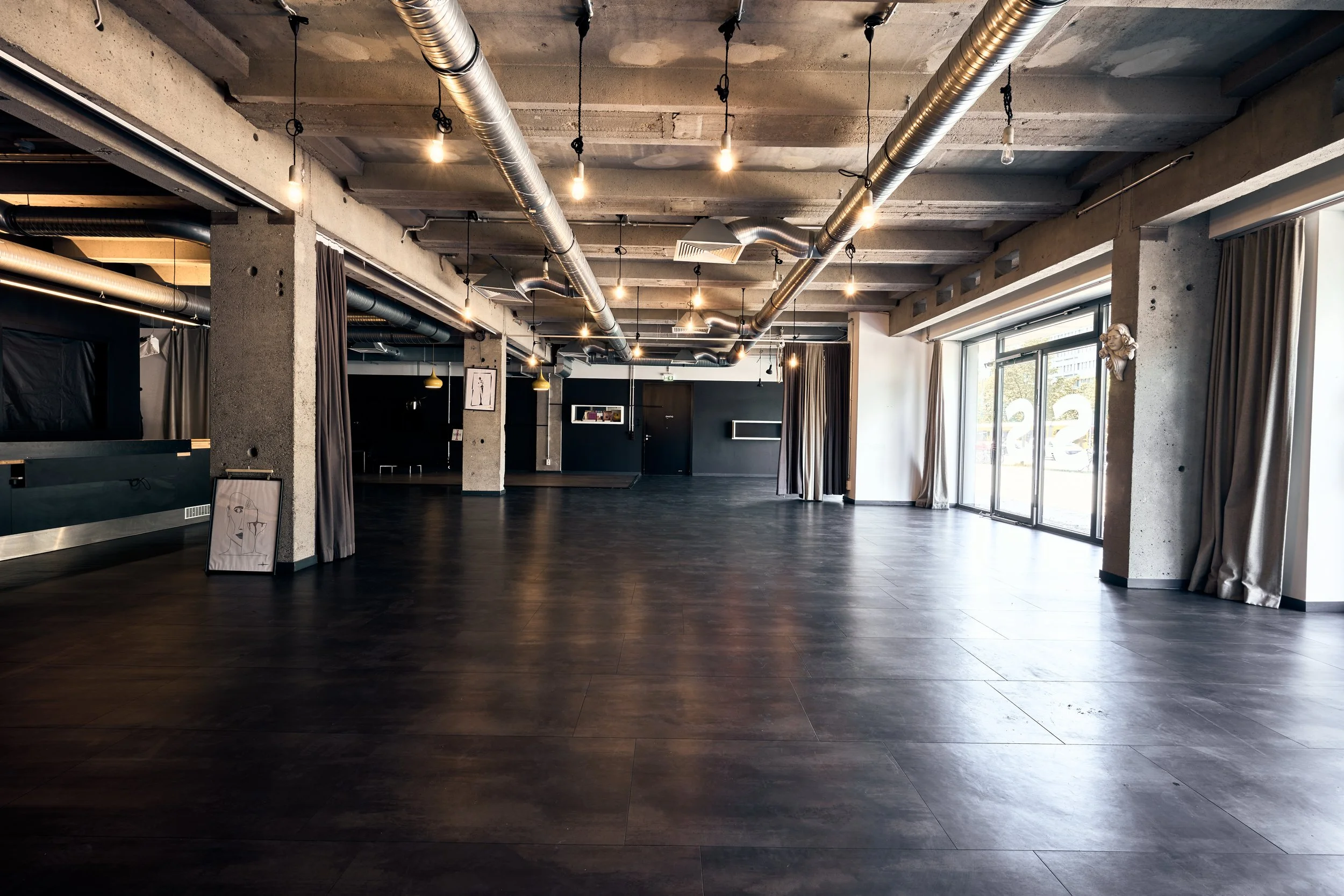
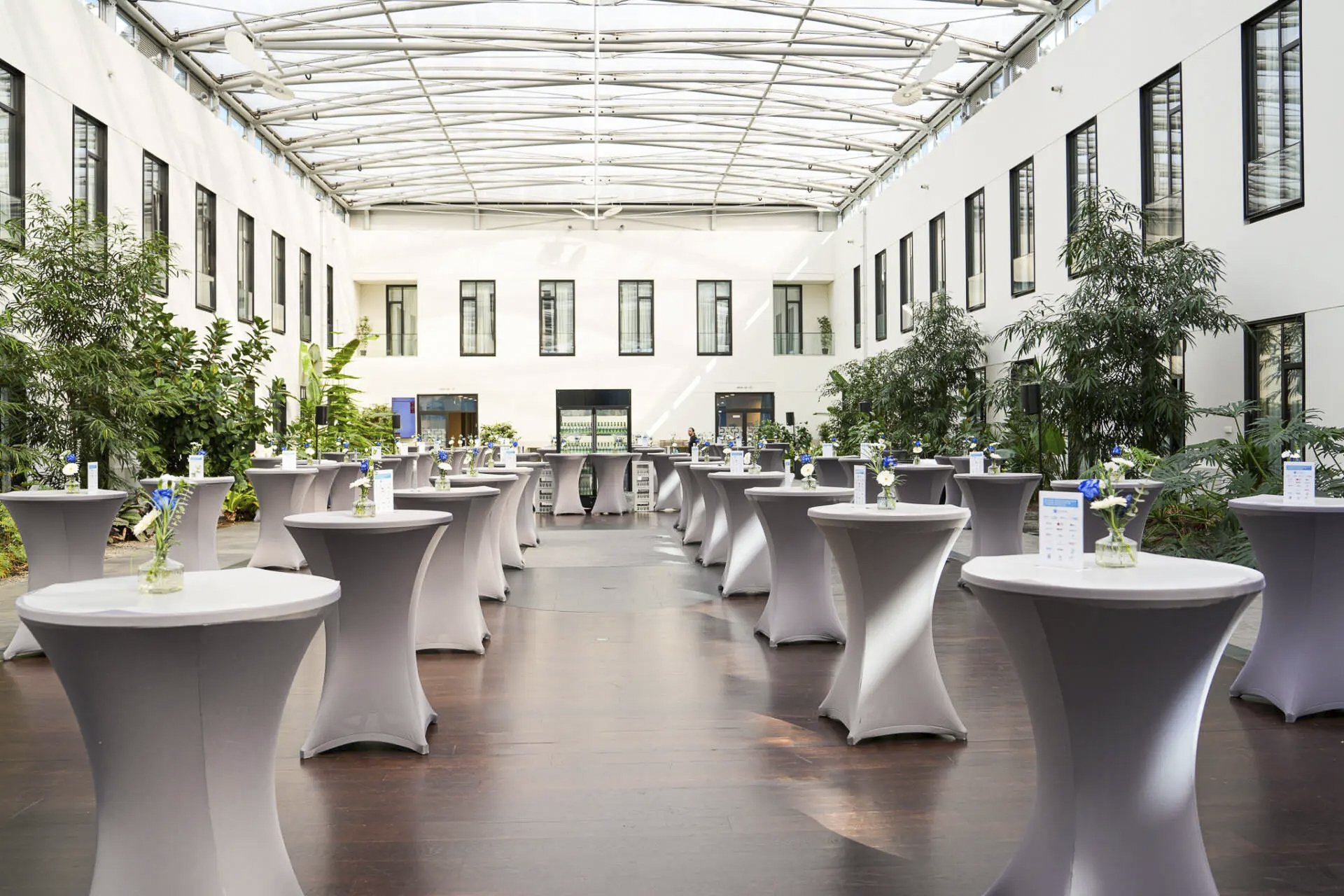
Our Festivals are both located in very central locations in Berlin. All at one place.
MOA Conference Hotel: Berlin Salsa festival
FAQs
Is this your first salsa festival?
Please check this article from our partners Salsa Vida to know what to expect Click HERE
-
That is a Cuban salsa festival with a Salsa LA Mambo workshop program on Saturday.
-
We usually offer few beginner workshops, but that does not necessarily mean every festival is ideal for a complete beginner.
Some events have clearly marked beginner tracks and attract dancers of all experience levels. Others are marketed toward intermediate, advanced, or professional dancers. A class labeled “open level” may still move quickly and assume that students understand basic timing, turns, and partnerwork.
You generally do not need a partner. Most partnerwork workshops rotate partners, although instructors will often allow friends or couples to remain together if they prefer.
You also do not need to attend the entire event. Our festival offers:
Full weekend passes
Single-day passes
Evening or party passes
Tickets for individual shows or competitions
A one-day or evening pass can be a good way to sample the experience without committing to an entire weekend.
However, we would not usually recommend a festival as someone’s first exposure to Salsa dancing. Someone who has never taken a class may enjoy watching the shows, listening to live music, or experiencing the atmosphere, but they may struggle to participate in the workshops and social dancing.
Most people will get more from the experience after taking regular classes for at least a few months.
Knowing the basic step, timing, common turns, and simple partnerwork in your preferred dance style makes it much easier to follow workshops and feel comfortable on the social floor.
-
When the price is manageable, staying at the host hotel usually creates a much better experience.
The main benefits are practical:
No commute between your room and the festival
Easy access to naps
Quick showers and clothing changes
Somewhere secure to store your belongings
No need to drive after dancing or drinking
More time around other attendees
Easier access to informal gatherings and afterparties
Being able to take a break at 2:00 a.m., change after a performance, or rest between workshops can completely change how the weekend feels.
An offsite hotel can work, especially if the host hotel is sold out or unusually expensive. But think carefully about transportation. A short drive may not sound difficult when booking the room. It feels different when social dancing ends at 4:00 a.m.
Sharing a room
Sharing a hotel room is one of the most common ways to lower festival costs. That means two people sharing a twin bed room.
Discuss the important details before arriving:
How costs are divided
Whether outside guests are allowed
Noise and sleeping expectations
Checkout plans
Cleanliness
-
Yes! all our festival workshops and parties are happening at Napoleon Komplex, which gives you more peace of mind.
-
Festival workshops are different from regular weekly classes.
They are short, often crowded, and designed to give attendees a useful experience in approximately 50 minutes. The instructor cannot always slow down enough to make sure every student has mastered the material.
Choose the right level
It is fine to challenge yourself occasionally.
When a workshop is far beyond your ability, you may become lost early, struggle during partner rotations, and retain almost nothing. It can be frustrating and embarrassing, especially when another person is depending on you to complete the pattern.
Learning something useful from an intermediate workshop is better than learning nothing from an advanced one.
There is also enormous value in reviewing fundamentals. Even as an experienced dancer and teacher, It is useful to take beginner workshops to hear how other instructors explain familiar ideas. A different explanation can make a concept click—or give you a better way to explain it to your own students if you are teaching.
When you want to try a class above your normal level, consider bringing a friend and staying together.
Find a clear view
Crowded workshops can make it difficult to see.
One useful trick is to stand beside the instructors rather than directly behind them. You may have a clearer view than someone standing ten rows back.
Also:
Avoid standing behind much taller dancers.
Look for an open window between people.
Move when the room changes between classes.
Ask the instructors to rotate the lines if one side has been in the back for too long.
Move toward the edge when you need more space.
Instructors sometimes become focused on teaching and forget to rotate the room. A polite reminder can help everyone get a better view.
Be patient with your partner
Everyone gets lost sometimes.
A good workshop partner remains patient, communicates calmly, and focuses on helping both people continue. Becoming visibly irritated rarely improves the dancing.
When you are completely lost, it is acceptable to step to the side and watch. You may learn more by observing than by repeatedly attempting something you no longer understand.
You do not need to remember the whole pattern
Many attendees mistake the concept of the workshop and think that they should learn every single step done at the class. Many teachers use a choreo at their class, but the reason behind that it's usually the easiest way to bring the technique closer to you, you basically choose which parts of the choreo fits to you.
A workshop can be worthwhile even when you only take away:
One timing correction
One connection concept
One styling idea
One body-movement exercise
One musicality insight
One clearer explanation of a fundamental
Do not judge the value of a class only by whether you memorized the entire combination. Expecting to master a choreo like the teacher could lead to frustration and disappointment so don't be hard on yourself and the teachers.
Record and practice
Only record when the instructor permits it. Most instructors allow a short recap video at the end of class.
The video will not help if you never watch it again.
To make the material stick:
Review the recap during the weekend.
Practice pieces on your own.
Try appropriate portions during social dancing.
Share the video with friends who took the class.
Add useful concepts to future practice sessions.
One of the most common mistakes experienced festival attendees make is recording dozens of videos and never practicing any of them.
-
Level descriptions are shown on the schedule (Open Level, Beginner, Intermediate, Advanced). As a rough guide: Open = no experience needed, would work most probably with people of different levels, Intermediate = comfortable with basics and have pre knowledge of figures and technique, Advanced = solid technique and multi-year experience. Teachers will happily redirect you to the right level if needed.
-
Two to four per day is realistic for many attendees. The right number depends on your fitness, sleep, workshop intensity, and other priorities.
-
No – you do not need to come with a dance partner. Partner swapping is encouraged during workshops. Solo dancing is equally celebrated at Cuban festivals. Come alone and leave with 50 new friends!
-
No, you are free to choose between the workshops as you please; pick whichever one best suits your interests and schedule.
-
Yes, it’s even free of charge till the 15th of February. After 13th of March no more name change is possible
-
Around 90% of workshops are taught in English. Some teachers also explain in Spanish. All instructions are demonstrated physically — language is rarely a barrier.
-
That is intentional. At Fiesta Elegante you’re meant to dance, not watch. Fewer shows = more dance time, fewer interruptions, better social dancing. The few performances are deliberately kept as special moments.
-
Yes, during the daytime workshop programme you are welcome to bring your own water bottles and soft drinks. During the evening parties, own drinks are not permitted. Drinks are available at the bar, and coffee, water and soft drinks are provided at the venue throughout the day.
-
Yes. Our teachers enjoy social dancing it’s also part of the experience. Ask politely, accept the answer, and do not take a decline personally.
-
During evening parties, all jackets and bags must go to the cloakroom. It keeps the dance floor clear and safe. The fee is €2 per item. Card payment is preferred, but cash with exact change is also accepted. Dance shoes are exempt from the fee and will be hung together with your jacket at no extra charge.
-
No, dress codes are recommendations, not rules. We want you to feel comfortable and express yourself. The theme nights are a fun way to get into the spirit of the event, but no one will be turned away for not following them. Wear what makes you feel great on the dance floor.
-
You must bring a clean pair of shoes to change into at the venue. They do not have to be dedicated dance shoes, any clean indoor shoes are fine. Street shoes are not permitted on the dance floor to protect the surface. If you arrive without a clean pair to change into, you will not be admitted.
-
Rumba Abierta is an open Rumba session on Saturday afternoon where everyone is welcome to join spontaneously. It celebrates the roots of Cuban dance. No experience needed — just come and enjoy the rhythm!
-
Photography is generally welcome throughout the festival. During the evening parties, video recording is permitted and you are welcome to post and tag uns on instagram. We personally will do videos only from 23:30 till 1:00 AM — this is to preserve the vibe and avoid disturbing everyone with camera lights throughout the night. Always ask for permission before photographing or filming other participants. Never post a video of the artists with out music.
-
During the day
You will find:
Dance workshops
Bootcamps
Daytime socials
Meals and coffee breaks
Naps and recovery
During the evening
The evening includes:
Getting dressed
Performances
Pre-party workshops
Late at night:
DJs and animations.
Parties.
Social dancing until early morning.
A typical festival day might include workshops from late morning through the afternoon, a lunch break and nap, pre-party workshop and social dancing until 4:00 a.m.
-
Trying to do everything
A festival offers more than most people can physically enjoy in one weekend. Make a plan, but leave enough flexibility to rest.
Taking workshops that are far too difficult
Challenge yourself occasionally, but do not spend the entire weekend confused. Learning something in an appropriate-level class is more valuable than surviving an advanced workshop without understanding it.
Waiting until the social to meet people
Workshops, meals, and early parties are easier places to begin conversations.
Not staying at the host hotel
Offsite accommodations can work, but naps, clothing changes, and late-night transportation become harder. Stay at the host hotel if you can reasonably afford it.
Forgetting to eat
A protein bar is useful. It is not always dinner.
Not drinking enough water
Hydration begins during the daytime workshops, not after midnight.
Wearing shoes that do not fit
New shoes are not automatically a problem. Poorly fitting shoes are. Make sure any pair you bring will remain comfortable after hours of use.
Forgetting the wristband rules
Many festivals use one wristband for the entire weekend. Do not intentionally remove it. If the wristband begins to fall off, ask the organizers to replace it before it disappears.
Leaving valuables beside the dance floor
Do not assume that every unattended phone, purse, or camera will remain untouched during a large event.
Bringing an indistinguishable dance bag
Label it or make it easy to recognize.
Becoming discouraged by professional performers
They have usually trained for years and rehearsed the routine for months.
Use their dancing as inspiration. All good things take time.
Trying dangerous moves on the social floor
It is normal to practice new material and make mistakes. It is not acceptable to attempt lifts, unsupported dips, tricks, or other movements that could injure your partner. The more crowded the floor becomes, the more compact and controlled your dancing should be.
Recording workshops without practicing anything
Review the videos, share them with your practice partners, and choose a few ideas to keep.
-
We carefully monitor the balance between leaders and followers to ensure a smooth and enjoyable dance floor for everyone.
We will have 58% Followers and 42% leaders. Our estimation is based on gender. although there are few followers who lead also, do the ratio will be higher
-
Yes. No one is required to accept every dance invitation. But be respectful.
-
For the Saturday Gala night, think evening wear, cocktail dresses, smart suits, heels, dress shoes. It is the gala night of the festival — dressing up makes it extra special. But it is only a recommendation: come as you feel.